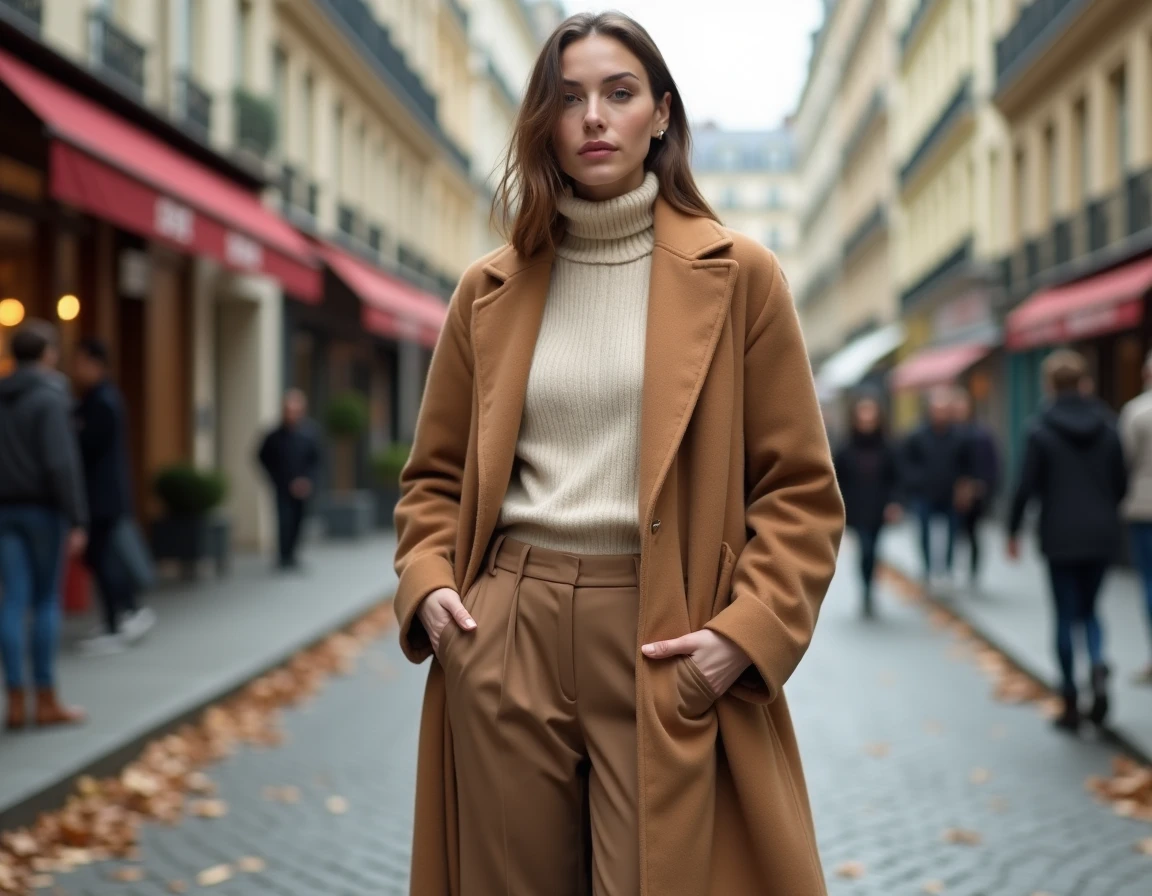
Contemporary fashion refers to the collections produced in the current seasonal cycle, as opposed to vintage pieces or heritage reissues. It is characterized by an acceleration of cultural references mobilized by creators, who draw from painting, sculpture, or architecture as well as from digital subcultures. Understanding its mechanisms requires distinguishing what stems from an authentic creative approach from what is merely promotional dressing.
Fashion and Art Collaboration: Criteria for Evaluating the Cultural Value of a Collection
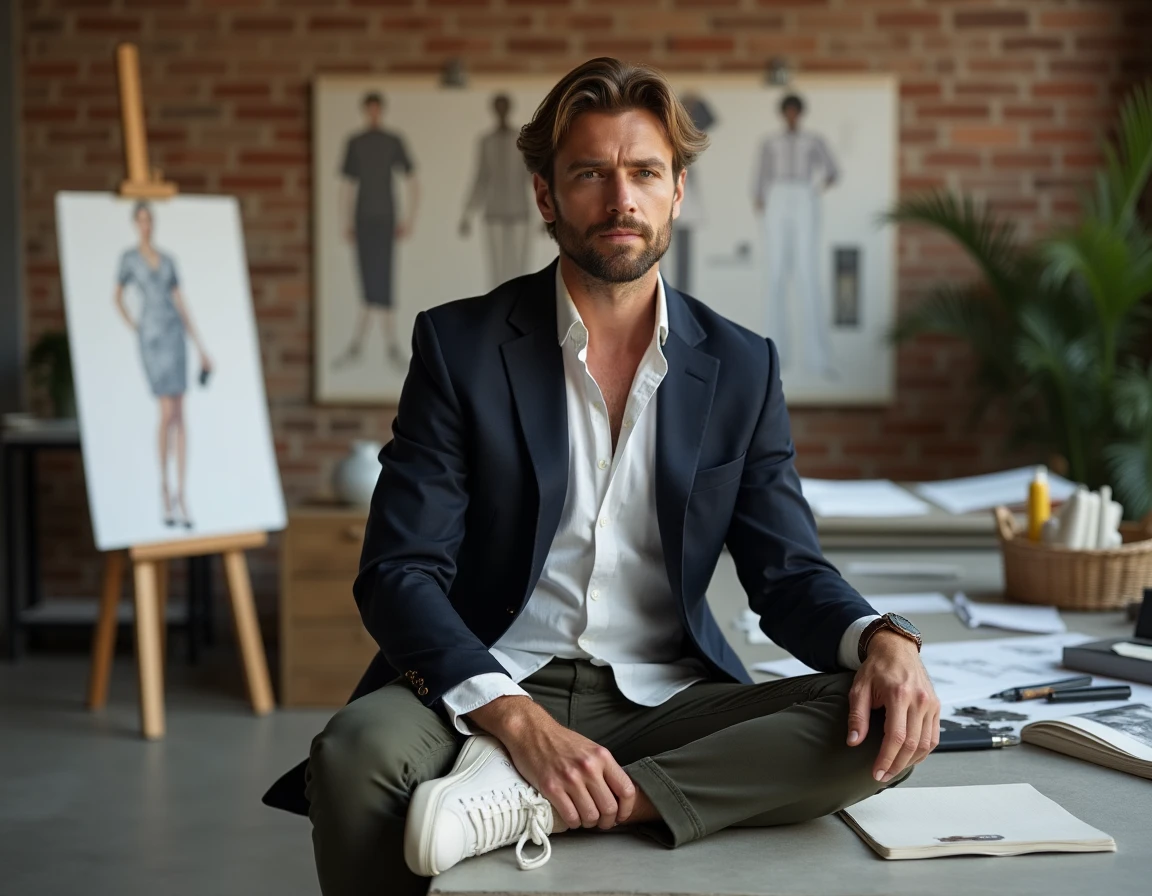
When a brand announces a collaboration with an artist, the first question to ask concerns the degree of the creator’s actual involvement in the design process. A culturally significant collaboration implies that the artist contributes to the cut, the choice of materials, or the staging of the fashion show, not just the printing of an existing pattern reproduced on a t-shirt.
Several indicators can help sort this out:
- Did the artist participate in the design of the pieces from the early stages, or was their work applied to pre-existing models afterward?
- Does the collection come with an independent editorial project (catalog, exhibition, film) that exists separately from the sale of the clothing?
- Do the produced pieces incorporate unusual techniques or materials for the brand, indicating a true transfer of know-how between disciplines?
A real collaboration modifies the brand’s creation process, not just its image. When the partnership is limited to placing a signature on a standard product, it is a licensing operation, not an artistic dialogue.
This distinction, often overlooked in fashion media, serves as the first reliable filter for judging the cultural significance of a collection. Emerging labels that use contemporary art as a marker of creative legitimacy have understood this well: the artistic reference then serves as differentiation, not decoration.
To follow creators who engage in this type of approach, the fashion category of Make World regularly documents these intersections between disciplines.
Vocabulary of Contemporary Fashion Trends: From Mood Board to Collection
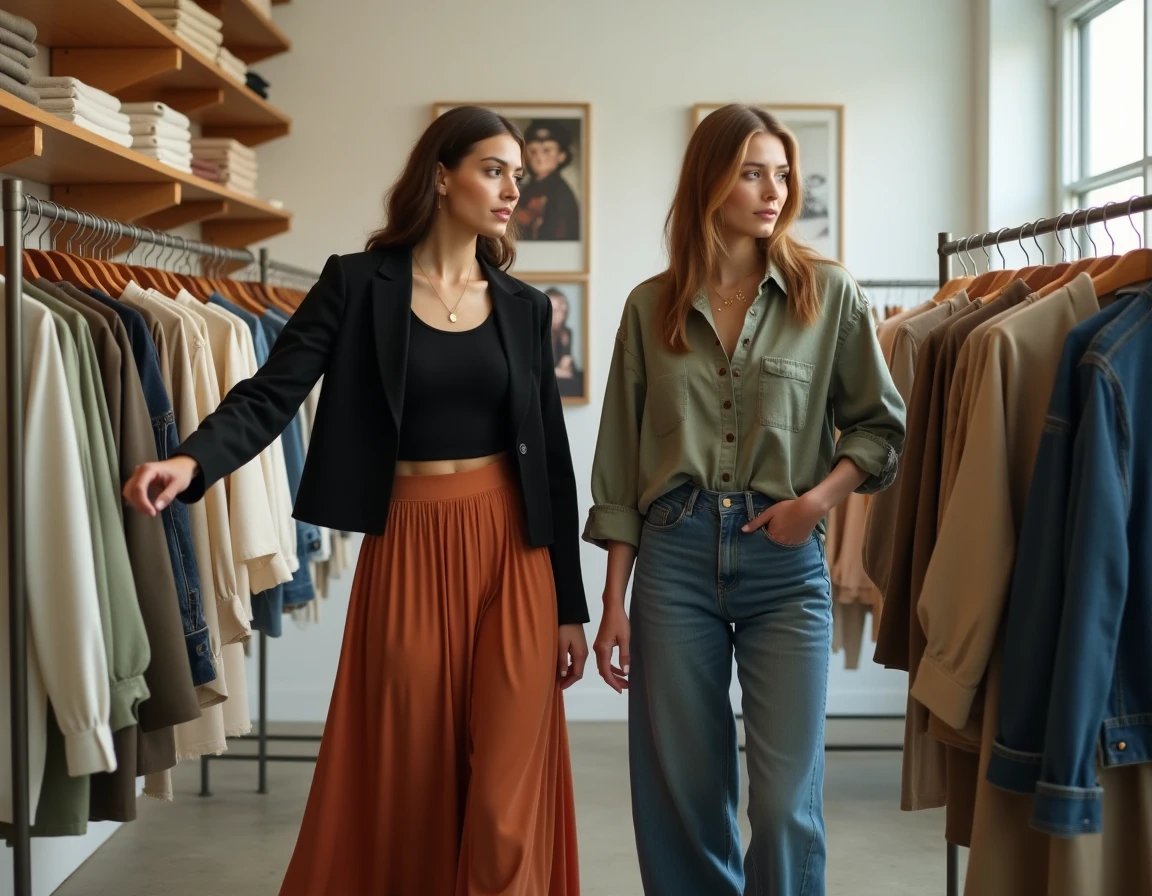
Before deciphering the trends of a season, one must master the chain that goes from intuition to the finished piece. It all starts with the mood board, a visual assembly (photographs, textile samples, clippings, color palettes) that sets the aesthetic intention of a collection. This working document precedes any sketches.
The mood board is then translated into concrete directions: silhouettes, color ranges, choice of materials. At this stage, designers arbitrate between personal expression and industrial constraints (cost of fabric, feasibility in series, schedule of trade shows). The tension between these two poles determines what arrives in stores.
A trend does not emerge from a single creator. It arises when several collections, presented independently, converge towards similar visual codes. Trend offices identify these convergences in advance, sometimes two years before the public perceives them. The trend is a statistical fact observed a posteriori, rarely a deliberate invention.
Regional Styles and Subcultures: What Fuels Current Collections
Contemporary creators no longer limit themselves to citing major European artistic movements. Recent collections show a geographical expansion of references. Textile techniques from African workshops, palettes inspired by Japanese architecture, or cuts borrowed from traditional South American wardrobes appear on runways without necessarily passing through the filter of a Western gaze.
This diversification raises a direct question: when does cultural borrowing become appropriation? The most effective criterion remains the traceability of know-how. When a house has a fabric produced by artisans who hold the technique, crediting and compensating them according to their contribution, the approach is collaborative. When it reproduces a pattern in a factory without mentioning its origin, it is extraction.
Digital subcultures also feed into collections. Streetwear paved the way, but more recent universes (aesthetics related to video games, online communities) now influence designers. The speed of image circulation on social networks accelerates this phenomenon: a local style can become a global reference in a matter of weeks.
Decoding a Fashion Show: Reading a Collection Beyond the Garment
A fashion show is not just a succession of outfits. The scenography, soundtrack, order of silhouettes, and choice of location compose a discourse that creators construct with as much care as the pieces themselves.
Three elements deserve particular attention during a fashion show:
- The coherence between the location and the collection: an abandoned industrial space does not send the same message as a modern art museum. The choice of setting reveals the narrative universe in which the designer places their pieces.
- The progression of silhouettes: the first outfits establish the visual vocabulary of the collection, while the last showcase its most refined or radical version. Observing this progression helps to understand the creator’s intention.
- The casting: the diversity of models (ages, body types, backgrounds) is not trivial. It reflects the vision of the body that the brand projects through its clothing.
Reading a fashion show with these frameworks allows one to move beyond immediate aesthetic reaction. The garment becomes readable as a reasoned choice, not just a simple object of desire.
Contemporary fashion benefits from being approached with precise analytical tools rather than solely through the lens of emotion. Distinguishing a true creative approach from a marketing stunt, identifying the chain that transforms an intuition into a trend, spotting legitimate cultural borrowings: these reflexes transform the passive spectator into an informed reader of collections.