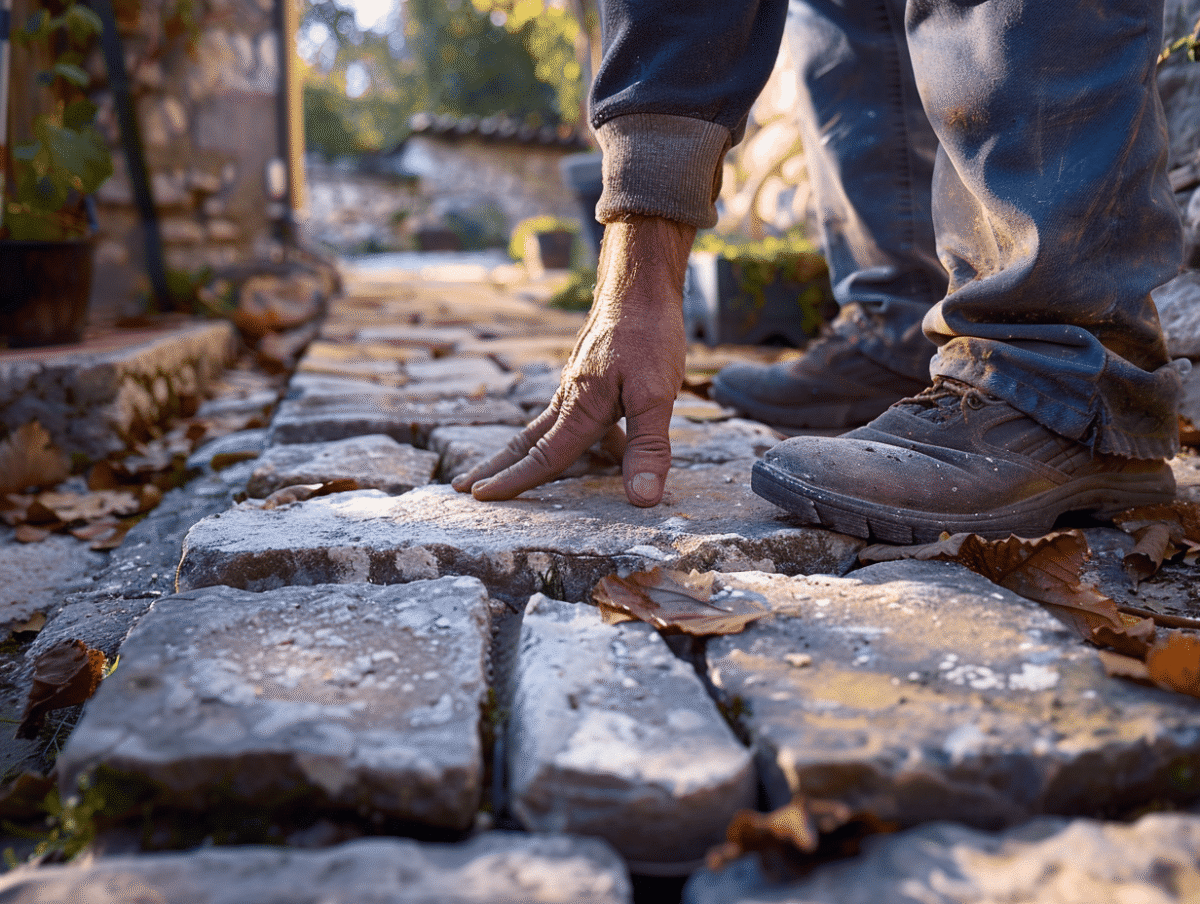
Thresholds, often overlooked, are essential for the proper maintenance and functionality of your entrance. Exposed to the elements and frequent foot traffic, they can suffer damage such as cracks, subsidence, or material erosion. Threshold issues can lead to difficulties in opening the gate or even compromise the property’s security. Fortunately, homeowners can adopt masonry techniques to address these inconveniences. From simple tips to more elaborate repairs, there are a variety of solutions to restore the functionality and aesthetics of gate thresholds.
Identifying and Addressing Gate Threshold Issues
Spotting damage is the first step towards effective repair of the gate threshold. Common issues such as efflorescence, peeling paint, cracks, swelling, and crumbling masonry require close attention. Weather, vehicles, and pedestrians are often the sources of this damage. To repair a damaged gate threshold, prompt action is advised to prevent potential complications.
Choosing the right solutions depends on the nature and severity of the damage. On sloped terrain, specific solutions such as slope-adjusting hinges, tailored to the geometry of the site, may be required for a swinging gate. Cement mortar is frequently used to repair cracks and minor damage to the threshold. An assessment, sometimes using the Natural Risk Plan, may be necessary to determine the measures to take in response to specific issues related to the topography.
Intervening precisely during repairs is essential for a durable and satisfactory result. The cement mortar, suitable for repairs, must be applied carefully, ensuring that the surface is clean and free of residues that could compromise adhesion. Once the repair is completed, it is recommended to protect the threshold with a specific paint or protective coating to prevent future damage. For sliding gate installations on sloped terrain, creating a beam can provide a solid and stable base, thus avoiding alignment issues and premature wear.
Masonry Methods for Repairing and Maintaining Thresholds
Thoroughly cleaning the surface of the threshold is the crucial first step before any repair work. A neutral pH degreaser, applied with a stiff brush, removes dirt and prepares the area for subsequent interventions. Be sure to rinse well and allow to dry before proceeding with the actual repair.
Once the surface is sanitized, cement mortar is used to fill cracks and restore the uniformity of the threshold. Using a joint knife facilitates application and ensures a neat finish. For uneven surfaces, an electric sander may be necessary to achieve a smooth and uniform finish.
Protecting the repaired threshold is fundamental to prolonging the durability of the work. A protective coating, applied after the repair and complete drying of the mortar, seals the surface against external aggressions. This preventive measure wards off future damage and preserves the aesthetics of the threshold.
For sliding gates in particular, creating a beam is an essential foundation to ensure stability and longevity. This masonry work, including excavation, formwork, reinforcement, pouring, finishing, and stripping, requires precision and expertise. Controlled masonry geometry and a dowel rail installed on the beam ensure optimal operation and minimized wear of the mechanism, especially if electrical connections for a motorized gate are planned.