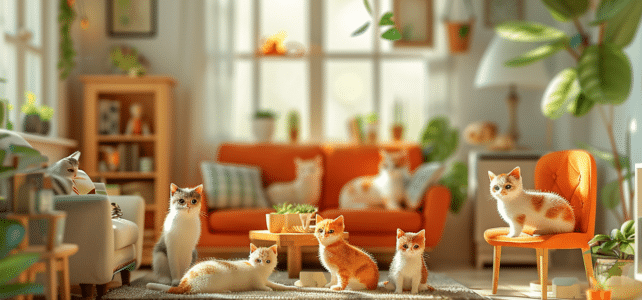
The growing interest in compact pets, suitable for apartment living and urban rhythms, has brought miniature cat breeds to the forefront. These felines, whose small size in no way diminishes their charm and personality, require special attention for both their health and well-being. Raising these little creatures involves a deep understanding of their unique characteristics, specific nutritional needs, veterinary care, and mental and physical stimulation. Informed advice and enlightened breeding practices are essential to ensure their harmonious development.
Miniature Cat Breeds: Characteristics and Diversity
Among the most sought-after miniature cat breeds, the Munchkin stands out for its short legs, a result of a natural mutation. This breed, originating from the United States, has won hearts with its gentle and affectionate temperament, as well as its popularity on social media. Organizations such as the International Cat Association and the LOOF (Livre Officiel des Origines Félines) have officially recognized the Munchkin, while the International Cat Federation remains more hesitant. These dwarf cats were introduced in France in 1993 and quickly made a splash at their first exhibition in New York, followed by a notable presentation at Madison Square Garden in 1991.
The diversity within this breed is expanding through selective breeding with other breeds such as the Bengal, Sphynx, or Selkirk Rex, giving rise to varieties like the Minuet. These genetic associations aim to combine the unique physical characteristics of Munchkins with the distinctive traits of other breeds, thus creating a rich palette of miniature cats, each possessing its own identity and charm.
The history of these dwarf cats dates back to a chance discovery by Sandra Hochenedel, who found a short-legged cat she named Blackberry. This marked the beginning of Munchkin breeding, a name chosen in reference to the characters from the famous novel ‘The Wizard of Oz’. The naming of this breed is emblematic of the trend to assign miniature cats names that reflect their unique stature, thereby reinforcing their identity within the feline world.
Breeding and Care of Miniature Cats: Practical Tips
The diet of miniature cats must be carefully selected to meet their specific nutritional needs. The brand Ultra Premium Direct offers a range suitable for both kittens and adults, ensuring optimal health for these small felines. The kibble should be high in protein, low in grains, and supplemented with essential vitamins and minerals. Be sure to divide meals into several small daily portions to prevent obesity, a heightened risk in small breeds.
Regarding breeding, breeders must ensure a healthy and secure environment while providing early socialization for the kittens. This step is fundamental for the behavioral and emotional development of miniature cats. Regular interactions with humans and other pets promote adaptability and well-being for these little companions. Follow a strict vaccination and deworming schedule, and consult a veterinarian regularly for health check-ups.
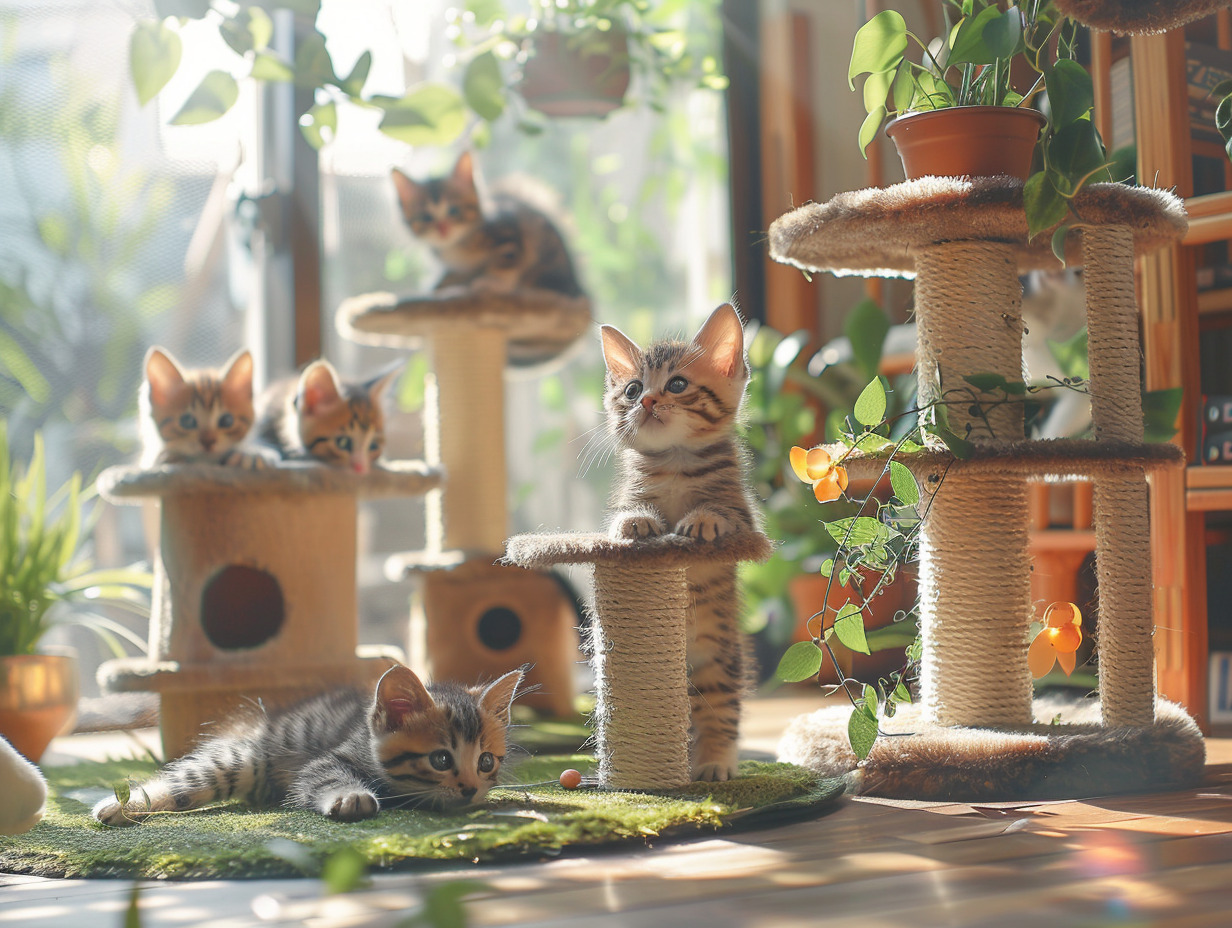
Care for miniature cats does not stop at diet and physical health. Psychological aspects play an equally fundamental role. Provide toys suitable for their size and activity level, and create a living space that stimulates their natural curiosity and need for play. The well-being of a miniature cat relies on a balance between quality nutrition, appropriate medical attention, and an enriching environment.