Your home consumes more than it should, standards are changing, and the materials available are no longer the same as they were five years ago. Housing news is evolving rapidly, with stricter regulations, new comfort requirements, and the opening of public data on the performance of new buildings. Understanding these movements allows for concrete choices, whether for building, renovating, or simply deciding on a real estate purchase.
Open Data RE2020: What the Real Performance of New Builds Reveals
Since autumn 2026, the Ministry of City and Housing has been publishing in open data the environmental results of new construction projects completed between 2022 and 2025. This dataset, relayed by Novabuild, covers performance project by project, building by building, area by area.
Specifically, each new project can be compared based on its actual carbon footprint. Before this publication, developers communicated based on theoretical simulations. Now, an individual or a local elected official can verify whether a delivered real estate program meets its environmental promises.
To keep track of this type of regulatory and technical evolution over the months, the news on Mon Blog Habitat compiles changes that directly affect the construction and renovation of housing in France.
This transparency also changes the work of professionals. A project manager designing a project in 2026 knows that their results will be publicly accessible. The pressure is no longer just regulatory; it becomes reputational.
Carbon Thresholds 2025: What Changes for New Construction
Since January 1, 2025, building permits submitted must comply with lower carbon impact thresholds than those applied at the launch of RE2020. This 2025 threshold concerns new builds, not renovations.
Why does this distinction matter? Because it guides material choices from the design stage. A home builder submitting a permit in 2025 must include in their calculations the carbon footprint of concrete, insulation, and framing. Bio-based materials (wood, hemp, straw) are gaining ground not as a trend, but because they allow compliance with these thresholds without disproportionate extra costs.
Summer Comfort and Passive Design
RE2020 is not limited to carbon. It also requires proof that the housing will remain livable during heatwaves. Summer comfort has become a full-fledged design criterion.
Passive solutions are favored:
- Exterior solar protections (sunshades, adjustable slat shutters) reduce heat gain without resorting to air conditioning
- Cross ventilation, meaning opening windows on two opposite facades, creates a natural airflow that cools the home
- The thermal inertia of heavy materials (stone, rammed earth, hemp concrete) absorbs heat during the day and releases it at night
- The orientation of the building and the greening of the surroundings complement the system by limiting direct sun exposure
These techniques work better in new builds, where the architect can freely orient the building and size the openings. In older buildings, the margins for maneuver are more limited.

Energy Renovation: Why Taking Action Remains Difficult
The majority of French people living in energy-intensive homes know they should renovate. The main barrier is not a lack of interest. It is the cost and uncertainty of the process that block comprehensive renovation.
Since September 30, 2025, the supported pathway of MaPrimeRénov’ targets homes rated E, F, or G before work. This refocusing effectively excludes homes rated D, which still represent a significant portion of the stock. The amount of aid often remains insufficient to cover a complete renovation without personal contribution.
An Administrative Process That Discourages
Beyond financing, the process itself poses a problem. A homeowner must identify priority work, find an accredited advisor, obtain quotes that meet aid criteria, and then wait for validation before starting the project.
Each step adds several weeks of delay. For a household that is already hesitant, this complexity is enough to postpone the project. Feedback from the field shows that homeowners who follow through are often those who benefit from local support (departmental agencies, France Rénov’ advisory spaces) from the start.
Housing Trends and Bio-based Materials: Beyond Wood
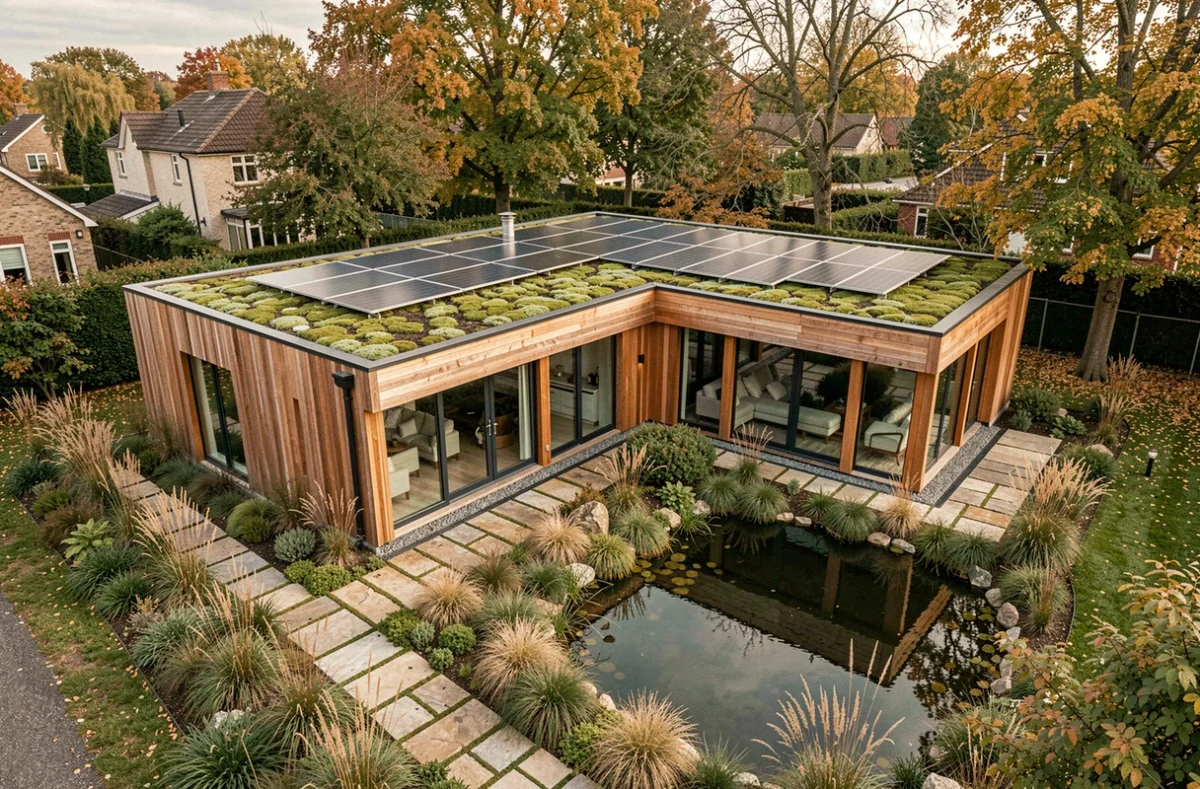
Wood remains the most visible bio-based material in new construction, but it is not the only one. The hemp sector is progressing, driven by collective housing projects that use hemp concrete as structural infill. Straw, compressed into bales and inserted into a framework, offers effective insulation at a very low raw material cost.
These materials store carbon instead of emitting it, which helps builders stay below the RE2020 thresholds. However, their adoption is still hindered by a lack of trained labor and sometimes difficult-to-obtain construction insurance.
Have you noticed that new real estate listings increasingly mention the type of insulation or the nature of the structure? This is a direct effect of regulation. The material has become a selling point, not just a technical choice reserved for the project manager.
Projects submitted today are already anticipating the gradual tightening of carbon requirements, which accelerates the adoption of sectors that were still marginal a few years ago. For individuals as well as real estate professionals, keeping up with these developments is no longer optional; it is a condition for making sustainable decisions.