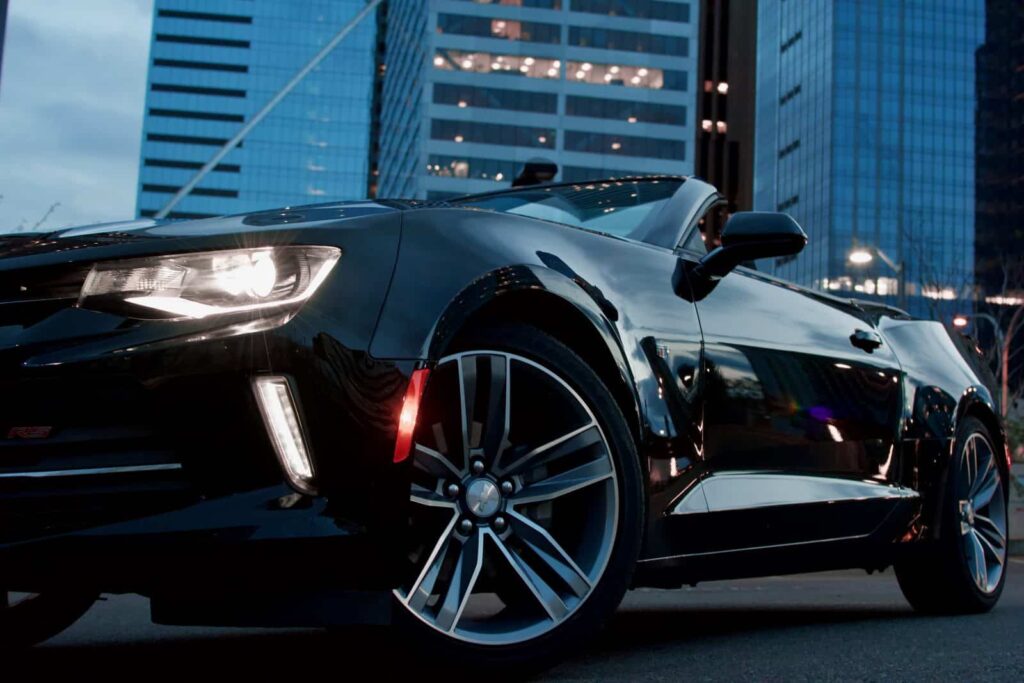
On board your vehicle, lighting remains essential, as it allows you to see and be seen. While your car’s lighting is a necessity, manufacturers today are evolving technology. Others are still in development. But in the meantime, here is the list of car lights; each with its characteristics and advantages.
Halogen Bulbs
First, there are halogen headlights. This is an older technology based on the principle of incandescence. Indeed, this type of bulb consists of a tungsten filament enclosed in glass containing gas (bromine and iodine). When current passes through the filament, it heats it up, producing light.
However, this type of lighting, in addition to being very energy-consuming, has a limited lifespan. Its range is small, but it has the advantage of being adaptable to all types of vehicles.
Xenon Headlights
The technology of xenon lamps was born in ’91. This type of lamp works differently from a conventional incandescent lamp. The xenon bulb is primarily characterized by its way of producing light, which is through the formation of an electric arc between the two electrodes. Its strengths are the intensity of the lighting, the range (about 220m), and also its longevity.
LED Lights
They are increasingly used on the latest generation vehicles, particularly for daytime running lights. LED light (light-emitting diode) has three advantages: greater range, low consumption, and especially a long lifespan. The same goes for LED taillights and also some emoji pic.
Laser and OLED Lights
These two types of lights should further improve lighting in vehicles in general, and particularly in electric vehicles. They are still in development in some brandspioners.
Tag: the LED H7 bulb for cars