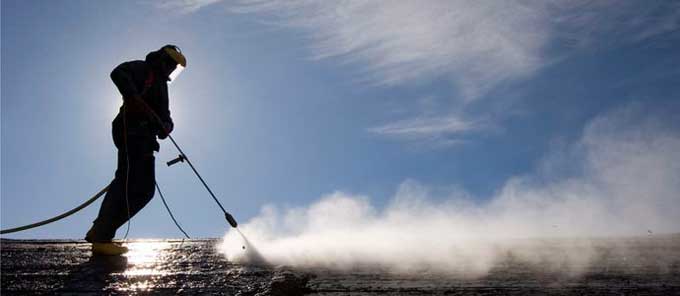
Why You Need a Pressure Washer
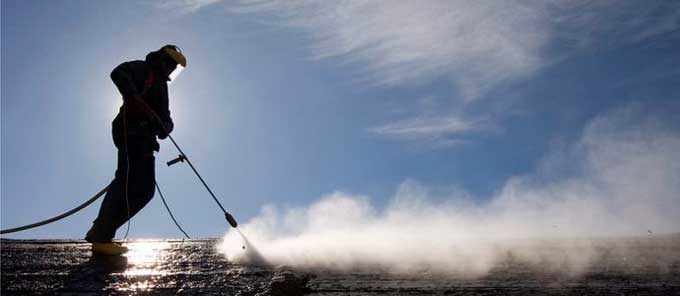
- More Effective Cleaning: A pressure washer generates water pressure and flow that a garden hose cannot match. With an electric washer, you won’t need to scrub the floor or your car to remove dirt.
- Cleans Large Surfaces: A pressure washer can clean driveways, walls, and, in the case of commercial-grade pressure washers, construction sites and parking lots.
- Easy to Use: Pressure washers are easy to operate: just connect the water hose, power unit, and start spraying.
- Reduces Repair Costs: Excess dirt and grime can weaken structures like moisture traps. Too much moisture leads to mold and other issues. The situation is even more critical with vehicles, as dirt accumulation in critical parts can cause accidents.
- Time-Saving: Normal garden hoses can be too long. However, you only need a few minutes to get the job done. Even on ATV dirt, cleaning shouldn’t take much time.
- Provides Protection: High temperatures and excessive sun exposure can damage structures. With regular washing, you can effectively counteract these effects.
- Works on All Surfaces: Pressure washers work on wood, concrete, and all surfaces. With a high enough psi, you’ll be able to remove dirt, oil deposits, mold, moss, etc.
Electric vs. Gas Pressure Washers
- Electric Pressure Washers: Electric pressure washers are suitable for vehicles, furniture, and small projects. Electric pressure washers weigh less than their gas counterparts and start with a switch. Depending on the design, the electric and hydraulic pressure system can be connected directly to a power source, or an extension cord may be necessary. Follow the instructions in the user manual to avoid accidents.
- Gas Pressure Washers: Gas pressure washers often have more power than electric pressure washers. This makes them better suited for heavy-duty jobs, such as large outdoor patios for multi-story buildings and bridges. Gas pressure washers are also portable, as they do not rely on an electrical cord. Some gas pressure washers have an electric starter, but most are started manually. For gas pressure washers, you need to use the right fuel, so follow the instructions in the manual.
- Commercial Pressure Washers: These are made for commercial and industrial applications, but can also be used in large households. They have larger hoses, more powerful engines, larger motors, and standard electric pumps that are more powerful than gas pressure washers.
What to Look for in a Pressure Washer
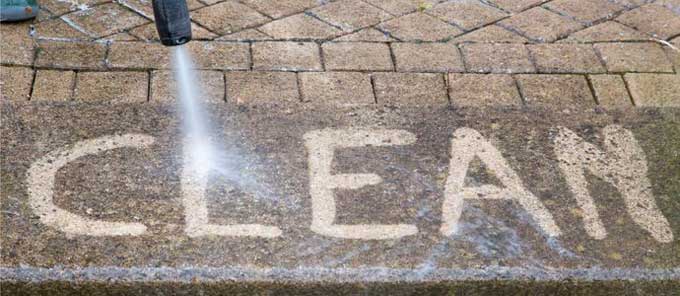
- PSI (Pounds per Square Inch): This determines the type of work the pressure washer can perform.
- 2000 PSI and below: These pressure washers are intended for light use. You can use them to clean boats, trucks, cars, siding, and patio furniture. They are also capable of washing decks, fences, driveways, and yards.
- Between 2000 and 2800 PSI: These are medium-heavy pressure washers. You can clean the same items as light pressure washers, but more effectively. Medium-heavy pressure washers are also more effective on fences, yards, and siding.
- 2900 and 3000 PSI: These are heavy-duty pressure washers. They are among the most versatile and ideal for large driveways, sidewalks, as well as more extensive cleaning processes. High washing pressure also helps prepare surfaces for painting.
- 3300 PSI and above: Commercial-grade pressure washers are at this level. These units handle all the tasks of other washers but have more power.
- GPM (Gallons per Minute): High psi allows for deep cleaning, while a higher GPM allows for better washing and cleaning, making it easier to clean hard-to-reach areas. You need to look at both GPM and psi to determine which pressure washer to buy.
Features to Look for in the Best Electric Washer
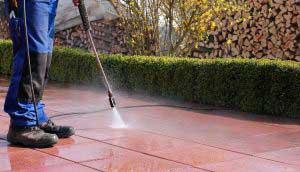
- Output Power: Electric washers’ output is measured in amperes, while gas pressure washers are measured in cubic centimeters (cc). The higher the numbers, the more powerful the pressure washer.
- Types of Pumps: The most common are triplex and axial cam. Most home pressure washers use an axial cam and are sufficient for most tasks. Technological advancements have led to the development of axial maintenance cams for easier operation. Commercial and heavy-duty pressure washers are equipped with triplex pumps, as they are more efficient and have a longer lifespan.
- Nozzles: Pressure washer nozzles allow you to change the flow and pressure. The wider the spray, the lower the pressure, but the greater the coverage. The narrower the spray, the higher the pressure, but with less coverage. Nozzles are available in different degrees, 0, 40, 20 degrees, and so on. There are also detergents and soap tips available.
- Wands: An adjustable wand allows you to change the spray pattern from wide (low pressure) to narrow (high pressure) without replacing the nozzle tip.
- You can also look for rotating nozzles that generate a circular spray pattern. This is the most powerful of the normal sprays and useful for heavy-duty work.
- Some pressure washers have a detergeant or chemical injection, so you can use chemicals and other detergents. These are placed in a siphon tube or on board a tank. Onboard tanks are the most convenient solution if you need to use chemicals for frequent cleaning.
- Thermal Relief: A thermal relief or exhaust system is designed to reduce heat and pressure buildup. It is normal for pressure washers to generate heat, but too much of it and pressure could damage the unit.
Pressure Washer Accessories and Tools
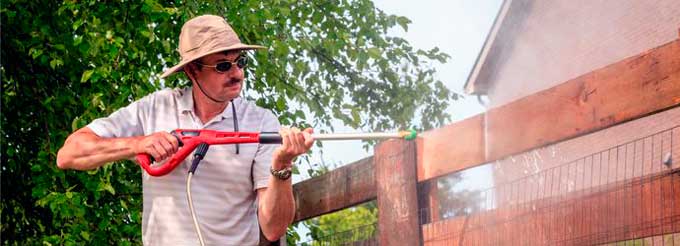 Tools
Tools
Most models, not just the best pressure washers, can do the job without needing additional tools. However, there are accessories and tools that can be useful in certain situations.
- Extension Wand: An extension wand is used to wash siding, speed up the cleaning process, and produce better results. Combined with spraying, extension wands make cleaning historical buildings easier.
- Pressure Cleaning Brushes: These add scrubbing functionality, allowing you to remove stubborn dirt.
- Angled Wands: These can be combined with extensions to clean hard-to-reach areas like gutters.
- If you regularly clean sidewalks and driveways, you might try the rotary jet designed for surface cleaning.
- There is a range of detergents, soaps, and cleaning chemicals that you can use. Be careful and only use cleaning solutions compatible with the surface. Wood, in particular, is sensitive to harsh chemicals like automotive paint, so only use what the manufacturer recommends.
Pressure Washer Maintenance
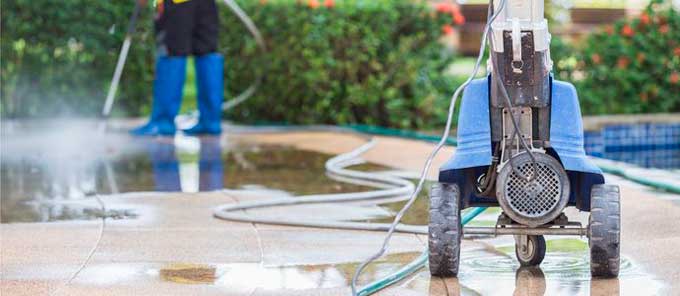
Maintenance requirements vary, although gas washers require more maintenance than electric counterparts. The user manual should contain information on maintenance scheduling.
- Do not use gas pressure washers indoors or anywhere without sufficient ventilation.
- The drain should be directed away from openings, doors, and windows.
- If you are using an electric hydraulic pressure system, keep electrical connections above ground, and it should be dry.
Before Using a Pressure Washer
- Check fuel and oil levels before using it.
- Do not overfill, but keep it at a high level.
- Examine the filtered water inlet where the garden hose is suspended. Rinse with water if the screen is clogged or dirty.
- If the washer has an inline screen extension, ensure it is not clogged. Replace the screen if it is damaged or clean it with water.
- Inspect the spray nozzle, extension wand, and spray gun. Ensure connections are secure.
- Test the trigger lock and the spray gun.
- Look at the hose for signs of bulges, cracks, abrasions, and cuts. Check the joints. If there is damage, replace them. Perform the same inspection for the siphon and unlock the hose if necessary. Clean the filter.
After Using the Pressure Washer
- Once you have finished cleaning with an electric hydraulic pressure system, take the detergent for the siphon hose and set the pressure to low.
- Let water run through it for a few minutes. Turn off the washer and the water supply. Disconnect it from the power source and point the gun away from animals and people. The trigger lock can be activated when the water is no longer flowing.
- Let the pressure washer cool down. Disconnect the hose, extension, spray gun, and garden hose. Drain the water from the pump. Hold the machine until all the water from the pump has exited before turning it off.
- Gas-powered pressure washers have specific instructions in the user manual, and you should use it as a guide. Maintenance includes the engine for oil replacement, inspecting and cleaning the spark plugs, and air filter. The fuel system should also be maintained, but the steps vary by model.
- Do not use fuel older than 30 days as it is prone to degradation and corrosion. A small pressure washer recommends a fuel additive to keep the gas fresh and prevent engine corrosion.
- Nozzle tips should be regularly checked for both electric and gas pressure washers. The fittings for the extension, spray gun, and hoses should be regularly lubricated for optimal performance.
Conclusion
A pressure washer can take on a lot of weight, but only if you choose the right one. If you have never used a pressure washer before or if you want to replace the one you have, you should do research to get the best value for your money. Reviews on individual pressure washer models are very helpful while you do this kind of research, as they highlight all the potential pros and cons of a model that a beginner might miss at first glance.
Which product is best is a matter of personal preference and needs. Electric power washers are easier to maintain, while gas-powered washers have more power. Of course, for heavy-duty work and daily use, commercial-grade washers are the option to go for.
Tag: karcher k2: features