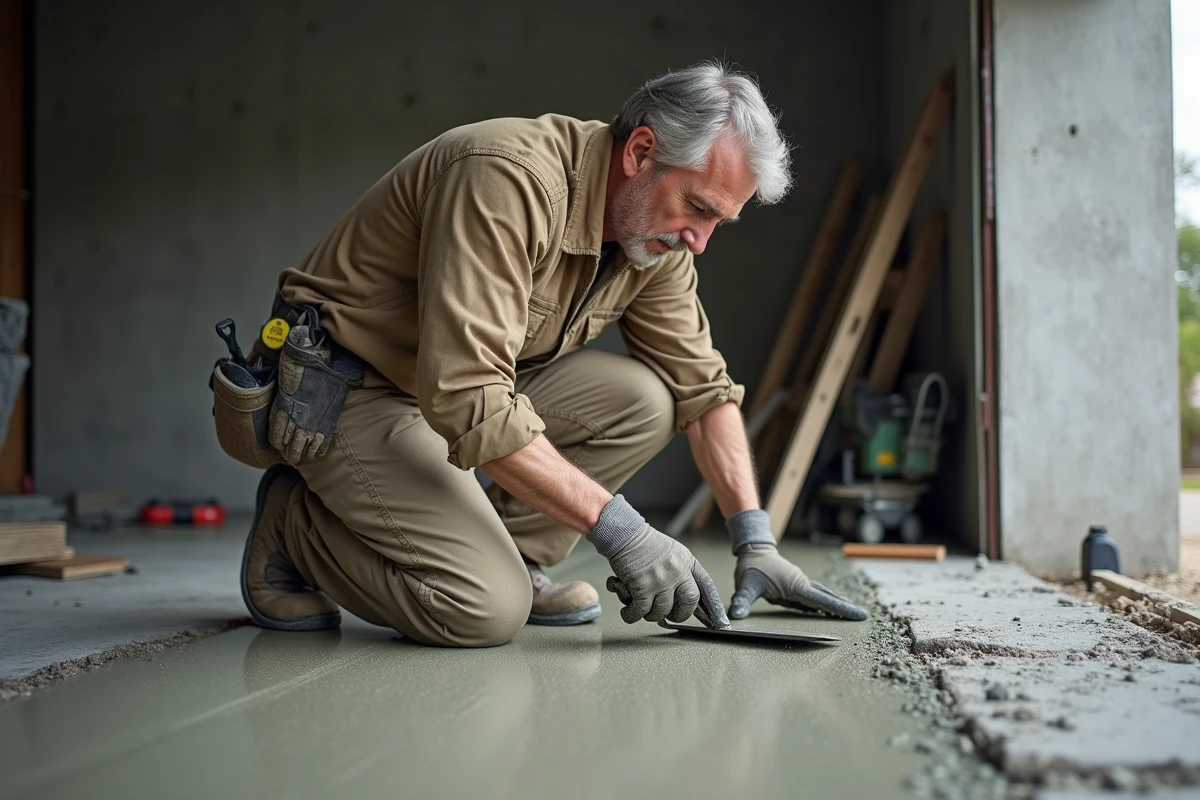
A slab placed on another is never just a matter of superposition. Without precautions, two layers of concrete can completely ignore each other and end up separating, even if the base seems impeccable. Cracks, weaknesses, nothing forgives in this kind of configuration.
However, there are concrete methods to solidify the connection and extend the life of the covering, provided that the steps that are often rushed are respected. It all depends on how you approach the preparation of the site: targeted adjustments, wise technical choices, and a bit of rigor are enough to transform an aging slab into a reliable base, whether it’s for repair or simply reinforcement.
Why pour a new concrete slab over an existing slab? Advantages and precautions to know
When the structure of a building needs to evolve, covering an old slab sometimes becomes the best option on the table. The goal is to gain strength, rectify level differences, or adapt the ground for a new use. Each context dictates its logic. Pouring a concrete slab over an existing slab provides a uniform base without the need to break everything up and remove it. The project gains in simplicity and speed.
This choice has several advantages: it avoids the headache of demolition, limits costs, and accelerates transformation. Additionally, a slab on an existing support distributes loads better, provided that the initial condition of the support is well assessed. The thickness of the new layer is crucial: if it’s too thin, it won’t withstand the stresses; if it’s too thick, it unnecessarily overloads and can weaken the whole.
Before diving in, every parameter must be scrutinized. The condition of the existing slab must be analyzed: look for deep cracks, adhesion defects, or trapped moisture. The compatibility of materials and the base’s ability to support the additional weight must be checked without neglecting any detail.
The final cost depends on the chosen concrete, the planned thickness, and additional operations. The application of a bonding primer makes all the difference for the two layers to merge durably. For in-depth advice, the page “Pouring a concrete slab over an existing slab: techniques and advice” from Déco Factory offers a comprehensive overview.
The key steps to prepare and succeed in pouring over an old slab
Before any contact between fresh concrete and the existing slab, preparation is the first decisive step. Start by cleaning the slab: remove dust, grease, and anything that could harm adhesion. A bonding primer is essential to ensure the connection between the two layers. Skipping this step exposes you to delaminations and rapid cracking.
Next, lay down the polyethylene film. This plastic film, meticulously placed, protects the slab from moisture rising and ensures an effective barrier. It must cover the entire surface, without exception. Then, the formwork: it defines the area to be poured and holds the concrete during setting. Well-executed formwork guarantees a clean edge and a structure that holds up.
Reinforcement should never be overlooked. Incorporating welded mesh into the thickness of the concrete limits crack formation and contributes to the slab’s robustness. The type of mesh is chosen according to the surface to be covered and the intended use: a floor meant for heavy traffic will not be treated like a simple terrace.
For pouring, it is crucial to strictly adhere to the dosage and consistency of the concrete, whether prepared on-site or delivered ready-to-use. Spread, level, and then screed until you achieve a flat surface. Work without haste; each step matters and affects the overall durability.
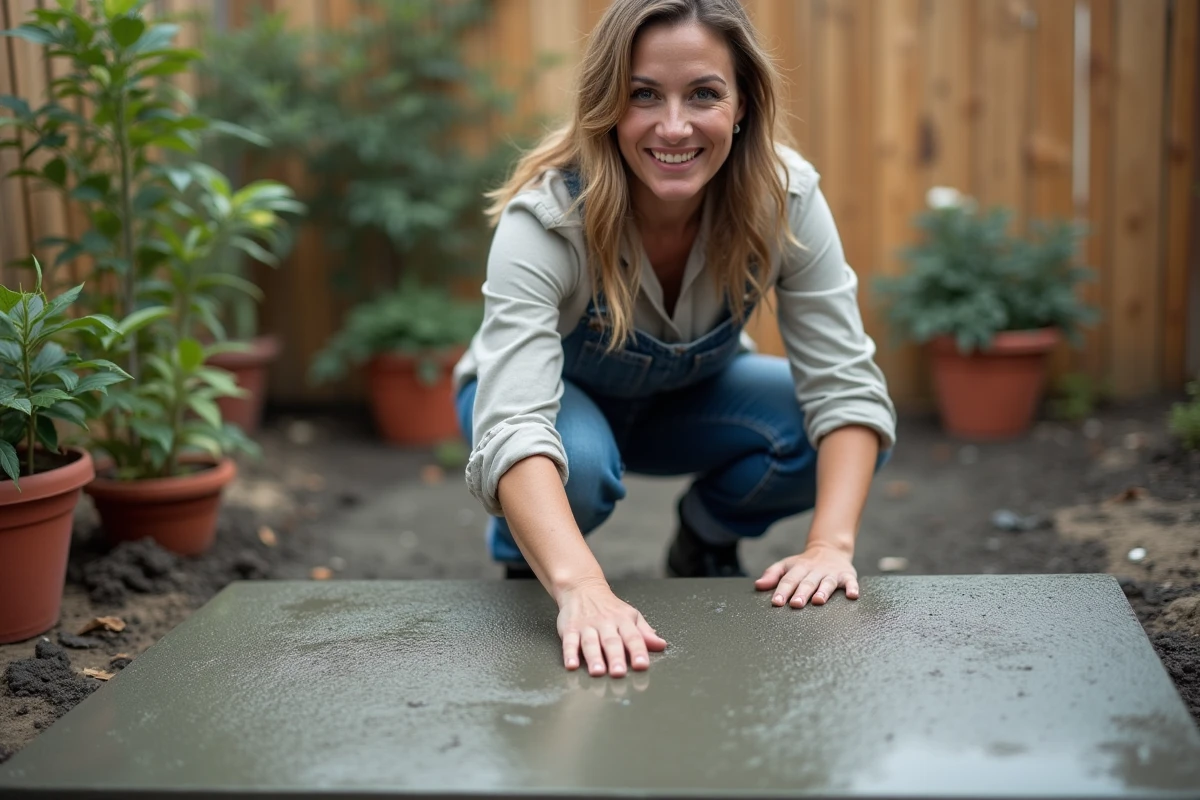
Reinforcing, repairing, or preventing cracks: practical tips for a durable slab
Even when done correctly, a concrete slab remains exposed to the risk of cracking. Whether deep cracks or microcracks, the cause often lies with the expansion joints: poorly designed or absent, they leave the structure unprotected against the movements of the concrete. To ensure the necessary flexibility, they should be planned every 20 to 30 m², throughout the thickness of the slab.
Regularly monitor the surface: even the slightest crack deserves prompt intervention. Use suitable mortars or epoxy resins for repairs. Each intervention should be done on a perfectly dry and clean area to ensure optimal adhesion.
To reinforce the slab, the use of welded mesh is essential. This metal mesh absorbs internal tensions and limits crack development. The choice of mesh depends on the surface to be covered and the final destination of the slab.
Here are the points of vigilance to incorporate into your maintenance routine:
- Always check the presence and quality of expansion joints.
- Monitor the freshly poured concrete slab: regular hydration prevents too rapid drying, a source of cracks.
- If expansion joints were not planned, create grooves with a grinder as soon as the concrete has set sufficiently.
Careful monitoring, targeted repairs, and a reinforced structure: this is how to ensure the solidity of a concrete slab poured over an existing base. The future of a floor does not rely on chance, but on the sum of these precautions and interventions. With each step, the slab tells the story of the care it has received.