The women’s fashion market is going through a period of transition, with seasonal trends coexisting alongside growing concerns about sustainability. The Fall/Winter 2026–2027 runways offered a range of style directions, from the return of floral prints to structured working-girl silhouettes. At the same time, textile consumption habits are shifting in response to new European regulations and growing interest in clothing repair.
Textile repair and visible mending: a fashion statement in its own right
Visible mending, the practice of repairing a garment while leaving the repair visible, has been gaining attention since 2025. This approach is gradually changing how people relate to their clothes in everyday life.
On Pinterest, searches for “sashiko ideas” and “repair aesthetic” are on the rise. In practical terms, this means that jeans mended with contrasting thread or a jacket with an embroidered elbow patch are becoming deliberate style choices, rather than makeshift fixes.
In France, a textile repair bonus has been available since 2023: an instant discount on repairs to certain clothing items or shoes at approved repair shops, funded by contributions from the textile industry. Expressing your style can also mean choosing to extend the life of a garment rather than replacing it every season. On the fashion section of Les Humeurs de Gloupsy Chérie, this kind of approach sits alongside more classic seasonal outfit inspiration.
Retailers are expanding their repair services, but FashionUnited notes that these initiatives remain modest compared with sales volumes. Repairing clothes is not yet a widespread habit, leaving considerable room for growth.

Fall/Winter 2026–2027 trends: what the runways really tell us
Fashion Weeks highlighted several directions for the colder months. Rather than listing them all, here are three worth exploring because they can be easily adapted to an everyday wardrobe.
Floral prints for winter
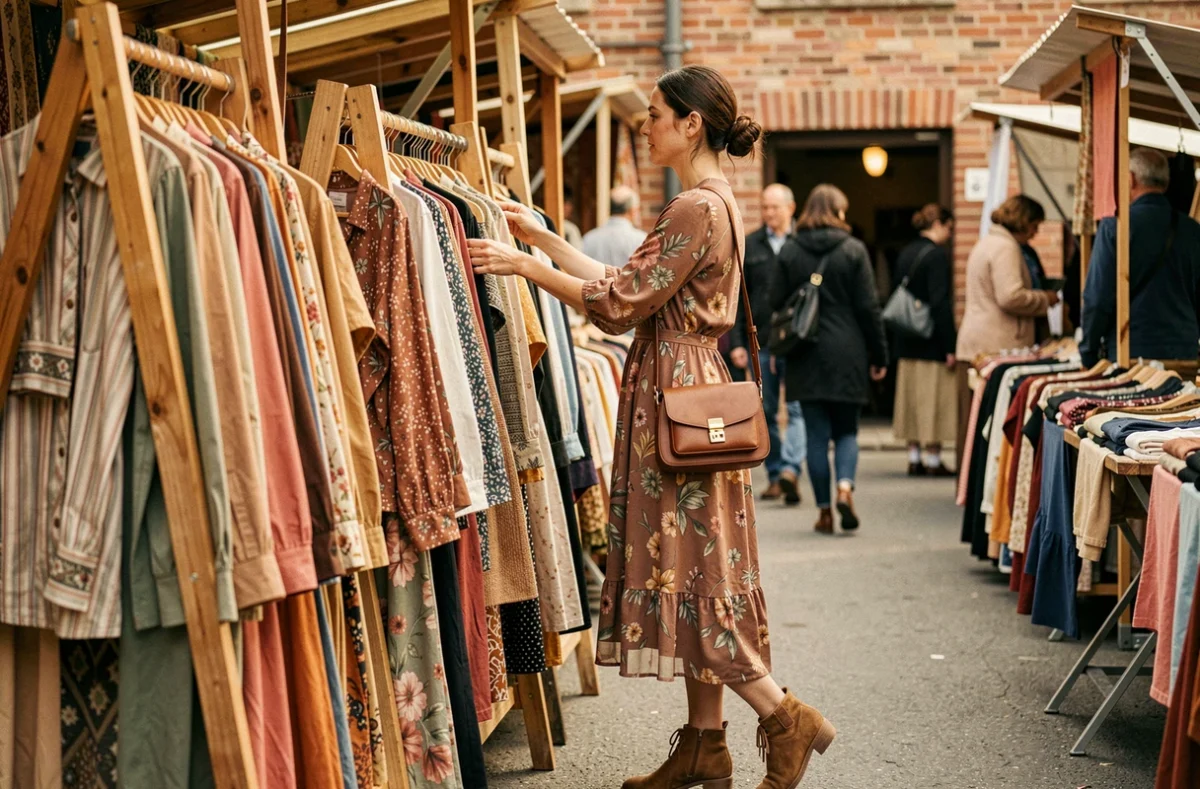
Flower power is no longer just for spring. Designers showcased floral patterns on heavier fabrics such as wool and velvet, in darker palettes. The idea is to break up the severity of a black coat or straight-leg trousers with a close-fitting patterned blouse. This trend doesn’t require a major investment: a single floral piece is enough to change the feel of an entire outfit.
The working-girl silhouette, reimagined
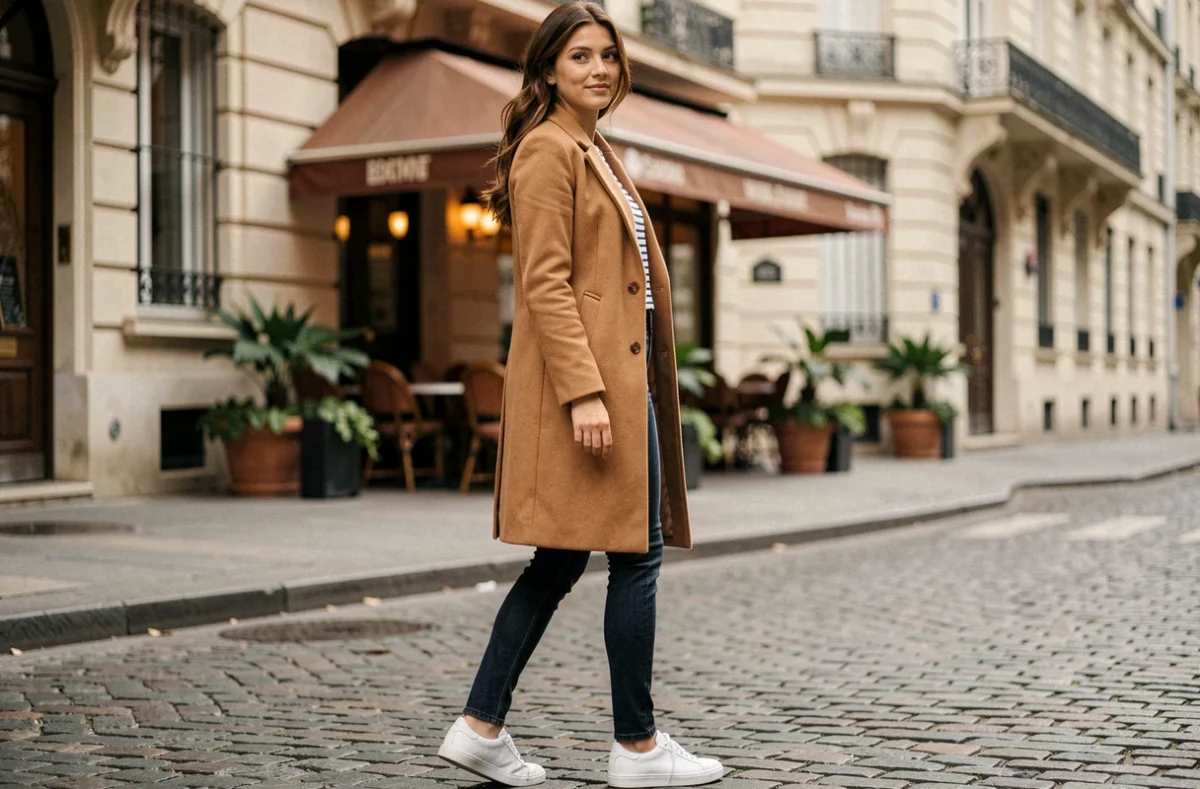
The pantsuit is back in slightly oversized cuts, with defined shoulders that stop short of looking exaggerated. The difference from previous versions lies in the fabrics: softer wool blends and colors beyond black and gray, such as burgundy, forest green, and camel. A structured jacket worn with dark-wash jeans is probably the easiest way to bring this trend into everyday wear.
Cozy textures
The “fluffy effect” seen on the runways translates into faux fur, chunky knits, and bouclé. These textures work like accessories in their own right: an open chunky-knit cardigan can transform the silhouette of a basic jeans-and-T-shirt outfit.
Seasonal colors and building a cohesive wardrobe
Fall/Winter palettes range from muted shades such as burgundy, khaki, and brown to brighter pops of color like vivid red and electric blue. Before embracing a trending color, ask yourself a more practical question: does this shade work with what I already own?
A cohesive everyday wardrobe relies less on accumulating trendy pieces than on a few principles of compatibility:
- Build a foundation of neutrals (black, off-white, navy, beige) that make up most of the pieces you wear each week, then add color in carefully chosen accents (a sweater, a bag, a scarf)
- Choose fabrics that work well together, such as cotton and wool, denim and leather, or knitwear and poplin, rather than pairing three different synthetic textures
- Try a trend through accessories before investing in a statement piece: a belt, earrings, or a scarf costs less than a coat and lets you see whether the style reflects the image you want to project
Color works when it’s intentional, not when it’s imposed. Wearing red just because it’s the color of the season, without having chosen it for yourself, creates a noticeable disconnect.
European regulations and textile traceability: what’s changing for consumers
Beyond purely aesthetic inspiration, the European regulatory framework is moving toward more sustainable, traceable fashion. A digital product passport for textiles is in the works, although the precise requirements have not yet been finalized. The aim is to let consumers find out where a garment comes from, what it is made of, and what its environmental impact is before buying it.
This shift is gradually changing how people express their style. Choosing a garment is no longer just about its cut or color: its origin and manufacturing conditions are becoming points of distinction. Brands preparing for these requirements are already sharing information about their supply chains, giving shoppers concrete details to help them choose between two similar dresses or jackets.
Ecodesign requirements for textiles are expected to be introduced in a future regulatory act. Details are still lacking on the exact implementation timeline and which product categories will be prioritized. This uncertainty doesn’t change the overall direction: traceability will become a marker of perceived quality, just like the cut or fabric.
Women’s fashion in 2026 is shaped by two things at once. On one hand, seasonal trends continue to offer aesthetic directions through prints, textures, and color palettes. On the other, the way we buy, care for, and extend the life of our clothes is itself becoming a style statement.
The repair bonus, visible mending, and future traceability requirements are shaping a wardrobe in which expressing your style every day is as much about what you wear as how you care for it.