
In 2023, over 40% of security incidents in companies originate from non-compliance with established procedures. Some regulations require the systematic recording of access, but few companies apply this control to every visitor, contractor, or temporary employee.
The lack of regular checks on emergency devices is one of the most widespread gaps, despite the legal obligation for periodic maintenance. Any shortcoming can lead to severe legal consequences, regardless of the size or sector of the organization.
Why workplace safety remains a major issue for all companies
Ensuring health and safety at work is not optional for an employer. According to labor law, every company must guarantee its employees a protected environment on all fronts: physical safety, fire prevention, cybersecurity. Turning a blind eye exposes one to criminal sanctions, but it also jeopardizes the health of staff and the very stability of the organization. A flaw in the system, an accident, a cyberattack: the consequences affect people, reputation, and finances.
Compliance with standards and certifications is not reserved for large organizations. It is the foundation for any organization that wishes to act responsibly. Prevention relies on several pillars: identifying hazards, disseminating instructions, conducting audits at regular intervals. Legislation evolves, forcing employers to constantly review their methods to meet new requirements regarding workplace safety and health. Planning also means training teams, providing appropriate equipment, and monitoring its proper use. Making safety a pillar, not just a constraint.
Business Hack’s resources provide a clear overview of the legal framework, the obligations of each employer, and tested methods for building a solid culture of prevention. In the face of risks, vigilance must become a collective matter. It starts with management, permeates all departments, and infuses the organization of work. Protecting quality of life at work involves a revised organization, investment in cybersecurity, and constant attention to the health and safety of all. Respect the spirit and letter of the texts, so that the company remains a place of trust, stability, and compliance.
What are the concrete risks your organization must face?
Daily professional life offers no respite from occupational risks. Accidents, work-related illnesses, technical failures, malicious acts: this is an endless inventory that requires constant vigilance. The single document for assessing occupational risks (DUERP) plays a central role here. Updated at least annually, it lists hazards, details safety measures, and plans preventive actions to be implemented.
Here are the main risks to watch closely:
- Work accidents: falls, cuts, poisoning, electrocutions. These incidents occur on-site or during business trips.
- Psychosocial risks: chronic stress, harassment, mental overload. These are often underestimated realities but weigh heavily on employee health.
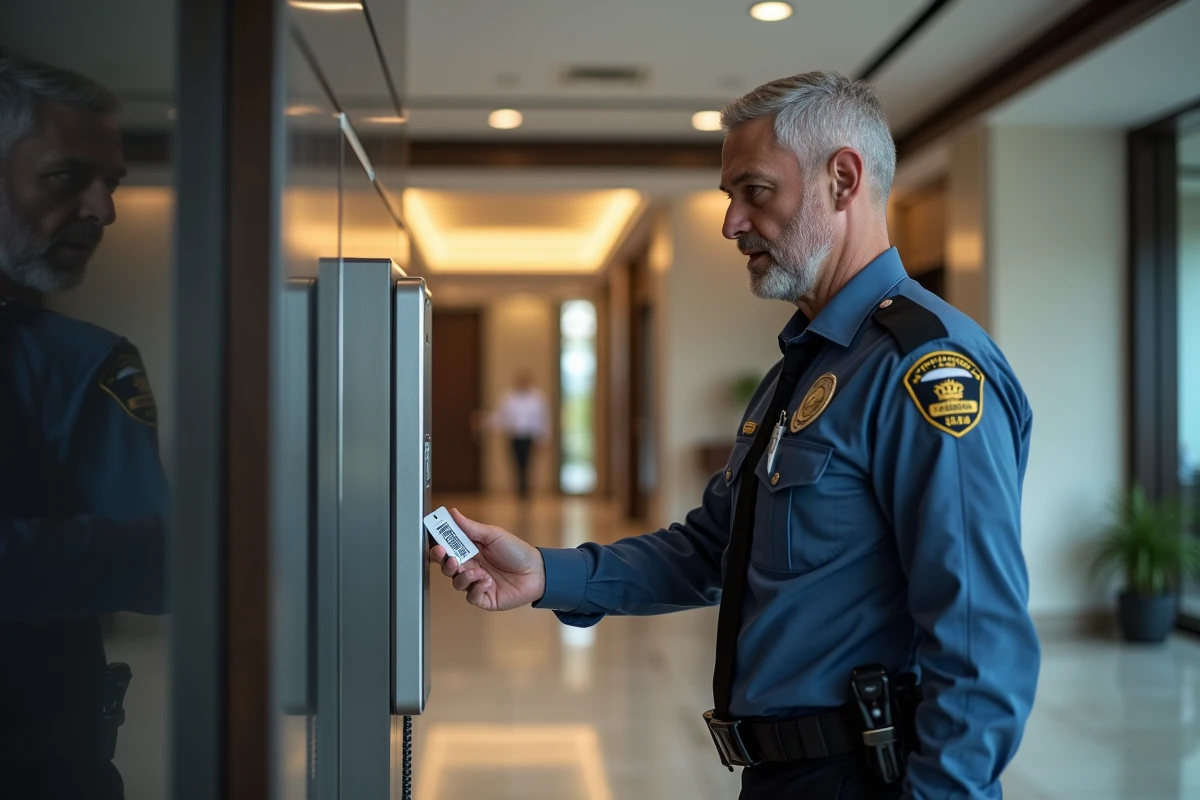
- Intrusions and thefts: access control, video surveillance, and rigorous management of badges or electronic locks limit these threats.
- Technical failures: lack of maintenance, aging equipment, defects in PPE. A single weak link is enough to upset the balance and generate losses or accidents.
Security does not stop at the company’s doors. Suppliers and visitors are also concerned: systematic control, supervision, limited access. Security audits, intrusion tests, and regular checks of personal protective equipment are part of the measures to be integrated. Risk management requires mastery of labor law, facilitating dialogue between the CSE, maintenance, and management. The tools offered by Business Hack help anchor these practices and provide every employee with a secure, reliable, and compliant environment.
Best practices and essential advice for establishing an effective safety culture
Collective vigilance is the foundation of a solid approach. Safety training remains the first barrier against incidents. It must be updated, adapted to the field, and involve all profiles, from newcomers to executives. Internal communication should flow through all teams, without silos or slackening. Simulations, frequent reminders, field experience feedback: each initiative reinforces good reflexes.
To structure the approaches, several key actions are necessary:
- Implement regular internal audits to detect potential weaknesses.
- Encourage feedback from the field to identify weak signals before they escalate.
- Formalize protocols and procedures to ensure their application and understanding by all.
Managing the DUERP register is part of a dynamic of transparency and continuous improvement. The digitization of QHSE processes facilitates the centralization of information, monitoring, and traceability of incidents. Standards and certifications: ISO 9001, ISO 14001, MASE, AFAQ OHSAS 18001, NF SERVICE 241, or APSAD, structure the safety policy. Their adoption reflects a commitment to exemplary practices and alignment with the best standards. Supervising access, monitoring email addresses, investing in cybersecurity: every action counts to strengthen the overall protection of the professional environment.
Working on quality of life at work means linking risk prevention, physical and mental health, and concrete actions. An authentic safety culture leaves no room for routine. It is built over time, through vigilance, sharing, and attention to each team member.
In a company, safety is never a matter settled once and for all. It is written daily, in every detail, every glance, every decision. To those who believe they have achieved it, reality always reminds that risk does not wait.